THE DISCUSSIONS WERE CRUCIAL IN ADDRESSING VENOMOUS ANIMAL ACCIDENT CONDITIONS THAT HAVE BEEN CLASSIFIED UNDER NEGLECTED TROPICAL DISEASES IN AN EFFORT TO DRIVE TRANSFORMATIVE ACTIONS
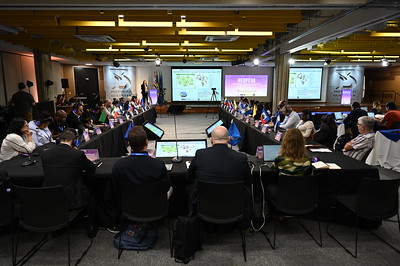 A high-level Regional Meeting of National Programs for Venomous Animals Accidents in Latin America and the Caribbean REDPEVA was held from August 21-22, 2025 at the Butantan Institute in São Paulo, Brazil where Saint Lucia was represented with the attendance of Senior Medical Officer, Urgent Care and Health Disaster Management in the Ministry of Health, Wellness, and Elderly Affairs, Dr. Delphina Vernor. The meeting also included an International Seminar and was held under the theme “Integration and Sustainability as Key Pillars for Addressing Accidents Caused by Venomous Animals in Latin America and the Caribbean.”
The meeting brought together public health experts, toxicologists, clinicians, and policymakers from across Latin America and the Caribbean to address the growing impact of venomous animal incidents — including snakebites, scorpion stings, and spider envenomations — on public health systems across the region. The discussions were crucial in addressing venomous animal accident conditions that have been classified under neglected tropical diseases in an effort to drive transformative actions to integrate these programs into national frameworks. The regional meeting was convened by the Pan American Center for Foot-and-Mouth Disease and Veterinary Public Health (PANAFTOSA/VPH) of the Pan American Health Organization/World Health Organization (PAHO/WHO).
Dr. Vernor joined counterparts from over 20 countries to exchange data, review response strategies and discuss the latest advancements in anti-venom therapies, surveillance systems and community education initiatives. During the discussion at the regional meeting, Dr. Vernor reported that while the main concern in Saint Lucia is snakebites and the occurrence is infrequent, climate change has been noted to be affecting the current situation including prevalence of bites and distribution of the Saint Lucia fer-de-lance. As such, regional collaboration ensures better preparedness to manage potential risks, improve clinical protocols, and access to essential anti-venom treatments.
Some of the key outcomes of the meeting included:
- Review of regional epidemiological trends in venomous animal accidents.
- Consensus on standardized clinical management protocols.
- Strengthening of regional supply chains for anti-venoms.
- Commitment to enhanced surveillance and training for health care professionals.
- Discussion on climate change impacts and the shifting distribution of venomous species.
Dr. Delphina Vernor is confident that the knowledge gained at the meeting will contribute directly to Saint Lucia’s ongoing efforts to ensure up to date clinical guidelines on management of snake bite envenomation, improve emergency response and raise public awareness — especially in rural and agricultural communities on venomous animal accidents.
The Ministry of Health, Wellness, and Elderly Affairs welcomed the opportunity for representation at this critical regional forum as continued cooperation remains vital in addressing the shared challenges posed by venomous animal accident.